By Goh Lim Thye
As the global economy progresses through 2025, the global economy is being reshaped by a fresh wave of uncertainty, driven by policy shifts in the United States, escalating trade tensions, and shifting geopolitical alliances. Malaysia, a trade-dependent nation, finds itself at a crucial juncture where strategic adaptation is essential to maintain stability and growth.
Trump’s Second Term: A Return to Protectionism?
The inauguration of Donald Trump on January 20, 2025, marked a renewed focus on economic nationalism, with policies that could upend global trade. His administration has wasted no time in implementing new tariffs, heightening tensions with key trading partners. The reintroduction of a 25% tariff on Canadian and Mexican imports in early March, alongside a 20% tariff on Chinese goods, signals a return to protectionist policies. China, in response, has levied tariffs on U.S. agricultural exports, leading to fears of a full-fledged trade war.
Adding to the complexity, the U.S. has imposed a 25% global tariff on steel and aluminium, triggering protests from European allies and concerns of retaliatory actions. These policies, reminiscent of Trump’s first term, could disrupt supply chains and force businesses to reassess sourcing strategies.
The U.S. Dollar’s Shifting Role in Global Trade
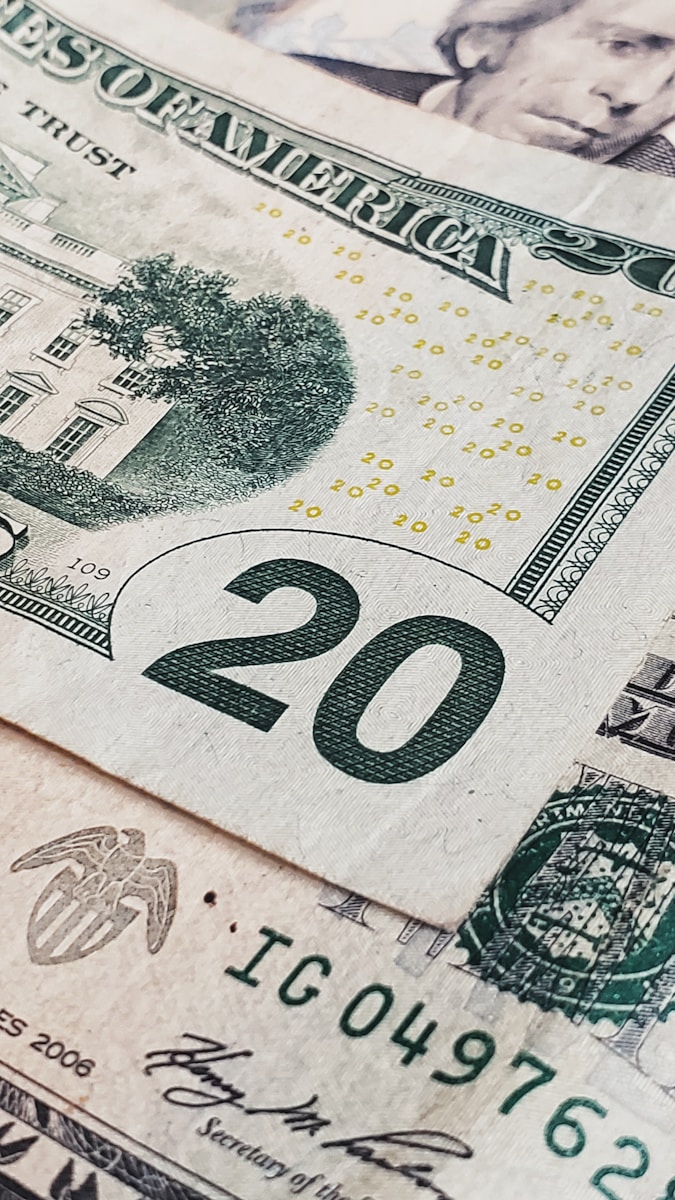
While the United States remains the world’s largest economy, the dominance of the U.S. dollar in global trade is facing new challenges. The aggressive stance on tariffs has contributed to a weakening of the dollar, leading some nations to explore alternative currency arrangements. The BRICS bloc, particularly China and Russia, has accelerated its push for de-dollarization, with increasing trade settlements in yuan and rubles.
For Malaysia, this shift poses both risks and opportunities. On one hand, a weaker U.S. dollar could make Malaysian exports more competitive. On the other, it introduces volatility in currency markets, complicating foreign exchange risk management for businesses engaged in global trade.
Malaysia’s Economic Outlook Amid Global Uncertainty
Despite external headwinds, Malaysia’s economy has remained resilient. Economic growth in 2024 reached 5.1%, fuelled by strong domestic consumption and recovering exports. However, with the external environment growing more volatile, policymakers are on high alert.
The Malaysian ringgit has experienced fluctuations due to capital outflows triggered by rising U.S. interest rates. Investors, seeking higher returns, have moved capital back into U.S. markets, pressuring emerging economies like Malaysia. Inflation, while relatively contained at 1.7% in early 2025, remains a key concern, particularly as import costs rise amid a shifting currency landscape.
Navigating the New Global Trade Order
Malaysia now faces critical policy decisions. With the U.S. and China increasingly at odds, the risk of economic decoupling has never been higher. If global trade splits into two competing blocs—one led by the U.S. and another by China—Malaysia will need to walk a fine line to avoid over-reliance on either power.
To mitigate risks, Malaysia must strengthen economic ties within ASEAN and expand partnerships with India, the Middle East, and Africa. The Regional Comprehensive Economic Partnership (RCEP) offers a strategic advantage, allowing Malaysia to diversify its trade dependencies.
At the same time, Malaysia should accelerate investments in high-value industries such as digital technology, renewable energy, and financial services. By doing so, the country can reduce its dependence on commodity exports and traditional manufacturing, which are more vulnerable to global trade shifts.
The Road Ahead: Policy Responses for Resilience
To navigate the evolving landscape, Malaysia must implement proactive measures:
• Diversify Trade Partnerships: Strengthening economic ties with emerging markets can mitigate overdependence on the U.S. or China.
• Enhance Currency Resilience: Encouraging the use of local currencies in trade and increasing foreign currency reserves can help manage dollar volatility.
• Invest in Innovation and Sustainability: Green technology and digital transformation should be prioritized to position Malaysia as a competitive player in the new global economy.
• Monitor Inflation and Fiscal Policy: Ensuring a balanced fiscal approach will allow Malaysia to respond effectively to external shocks.
Turning Uncertainty into Opportunity
The global economy is at a crossroads, with rising protectionism, currency shifts, and geopolitical realignments shaping the future. Malaysia, positioned at the heart of Southeast Asia, has the potential to not only weather these storms but to emerge stronger by adapting strategically.
By fostering trade diversification, embracing innovation, and strengthening regional partnerships, Malaysia can transform uncertainty into an opportunity—ensuring economic stability and growth in an unpredictable world.

Dr Goh Lim Thye is a senior lecturer at the Department of Economics, Faculty of Business and Economics, Universiti Malaya, and may be reached at ltgoh@um.edu.my