By Tan Chuey Chuan, Goh Yet Ching
In recent months, reports of rising HIV infections in Malaysia have once again made national headlines. The data paints a troubling picture: a noticeable increase in new cases, particularly among young Malaysians, some as young as 18. These statistics are more than just numbers—they represent real lives, real futures at risk. And while the HIV epidemic has long been associated with the medical field, this concerning trend invites a broader question: where else can we intervene earlier? For those of us in the dental profession, the answer may lie closer than we think.
Dentists are often not the first profession that comes to mind when considering HIV detection. Yet we are uniquely positioned to play a crucial role. This is because HIV frequently manifests early signs in the oral cavity—symptoms that, while subtle, can be significant markers for early-stage infection. Persistent oral ulcers, oral candidiasis, necrotising gingivitis, and unusual lesions are just some of the tell-tale signs that may appear in the mouth before any systemic symptoms become apparent. These are not just isolated dental problems; they may be silent indicators of a much larger issue.
What makes this especially important is the nature of dental care itself. Many people visit their dentists more regularly than they see their doctors, particularly young adults who may avoid medical clinics unless something feels urgently wrong. Dental visits, on the other hand, are often part of routine care and carry fewer perceived stigmas. This creates a powerful opportunity: the dental clinic as a frontline checkpoint, a place where potential signs of HIV can be recognised in an environment that feels safe and familiar.
At the Faculty of Dentistry, Universiti Malaya, our training goes beyond filling cavities or treating gum disease. We educate our students to approach oral health holistically. This includes recognising when oral symptoms may be linked to broader systemic conditions, including HIV. When patients present with atypical lesions or persistent oral infections, we are taught to look beyond the surface. This means asking sensitive but important questions, making timely referrals, and always doing so with empathy, confidentiality, and professionalism.
Despite this, public awareness of the dentist’s potential role in HIV detection remains limited. Many still view HIV as an issue solely confined to the realm of medicine. This disconnect can lead to missed opportunities for early intervention. It is time to change that perception—not by expanding our clinical scope, but by reinforcing the important part we already play within the healthcare ecosystem.
To the public, we say this: your dental visit is more than a cleaning or a filling. It is an opportunity to monitor aspects of your overall health, including potential early signs of conditions that may not yet have become apparent. If you notice ulcers that won’t heal, white patches that persist, unexplained oral infections, or other unusual symptoms—don’t hesitate to speak up. We are trained to notice, to listen, and to act with care.
Let us reassure you: our dental clinics are a safe space. We do not diagnose HIV during a routine check-up. We do not make assumptions. But we do see patterns. We do recognise signs. And most importantly, we act with the best interest of our patients in mind. With the proper protocols and partnerships with medical professionals, we can ensure that patients who may need further screening are gently and respectfully guided in the right direction.
Beyond clinical care, the dental community can also contribute to the national conversation on HIV by engaging in awareness efforts, supporting health education initiatives, and advocating for early detection as a shared responsibility across all healthcare sectors. In doing so, we align ourselves with a more integrated, humane, and proactive approach to HIV response in Malaysia.
As we continue to face rising numbers and shifting public health challenges, we in the dental fraternity must embrace our role not just as oral health practitioners, but as early sentinels of broader wellness. It is a role that demands vigilance, compassion, and communication. And it is a role we are ready to fulfil.
To the public: be open with your dentist. You are not alone, and you are not being judged. Your dental visit can be more than routine—it can be reassuring. We are here to protect your smile, yes, but also to support your overall wellbeing.
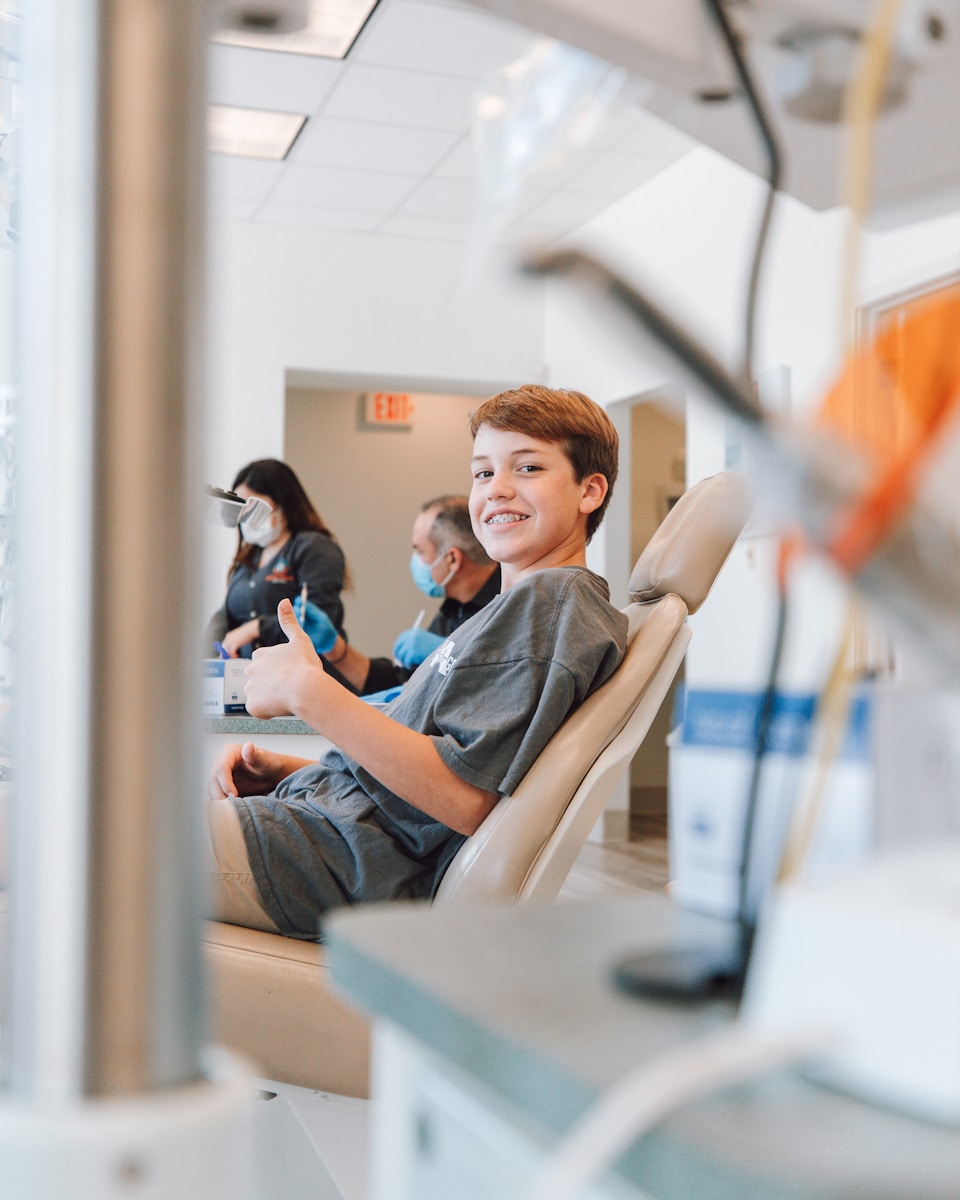
The smile often hides what words cannot say. Let us, as dentists, be the ones who listen—to what is seen, what is said, and what is left unsaid. Because sometimes, behind a smile, lies a story that deserves to be heard—and helped.
Dr Tan Chuey Chuan and Dr Goh Yet Ching are from the Department of Oral and Maxillofacial Clinical Sciences, Faculty of Dentistry, Universiti Malaya, and may be reached at chuey.chuan@um.edu.my