Why fossils matter today, and tomorrow
By Tiong In Hui
When people hear the word “geology,” many immediately think of rocks, dusty textbooks, or museum displays that have little to do with everyday life. In a world where technology, social media, and artificial intelligence dominate our attention, research on fossils and ancient environments can seem distant or outdated.
However, this way of thinking is part of a larger problem today: many people are increasingly disconnected from Earth’s long history, and this disconnect affects how we understand environmental change, natural resource management, and conservation. By neglecting the deep past, society risks making decisions that fail to account for long-term patterns and consequences.
One current issue is that natural heritage, such as fossil sites, is often overlooked or undervalued. Rapid urbanization and industrial development can lead to the destruction of sites before their scientific potential is fully explored. Fossils are sometimes treated as mere curiosities or decorative items rather than as critical evidence for understanding Earth’s history. When this happens, valuable records can be permanently lost, depriving both researchers and the public of insights into past ecosystems and climates.
For instance, many fossil-bearing regions in Southeast Asia face threats from quarrying and construction, yet each fossil represents a unique story about species evolution, migration, and extinction. This lack of awareness highlights the urgency of supporting geological research and public education about the significance of fossils.
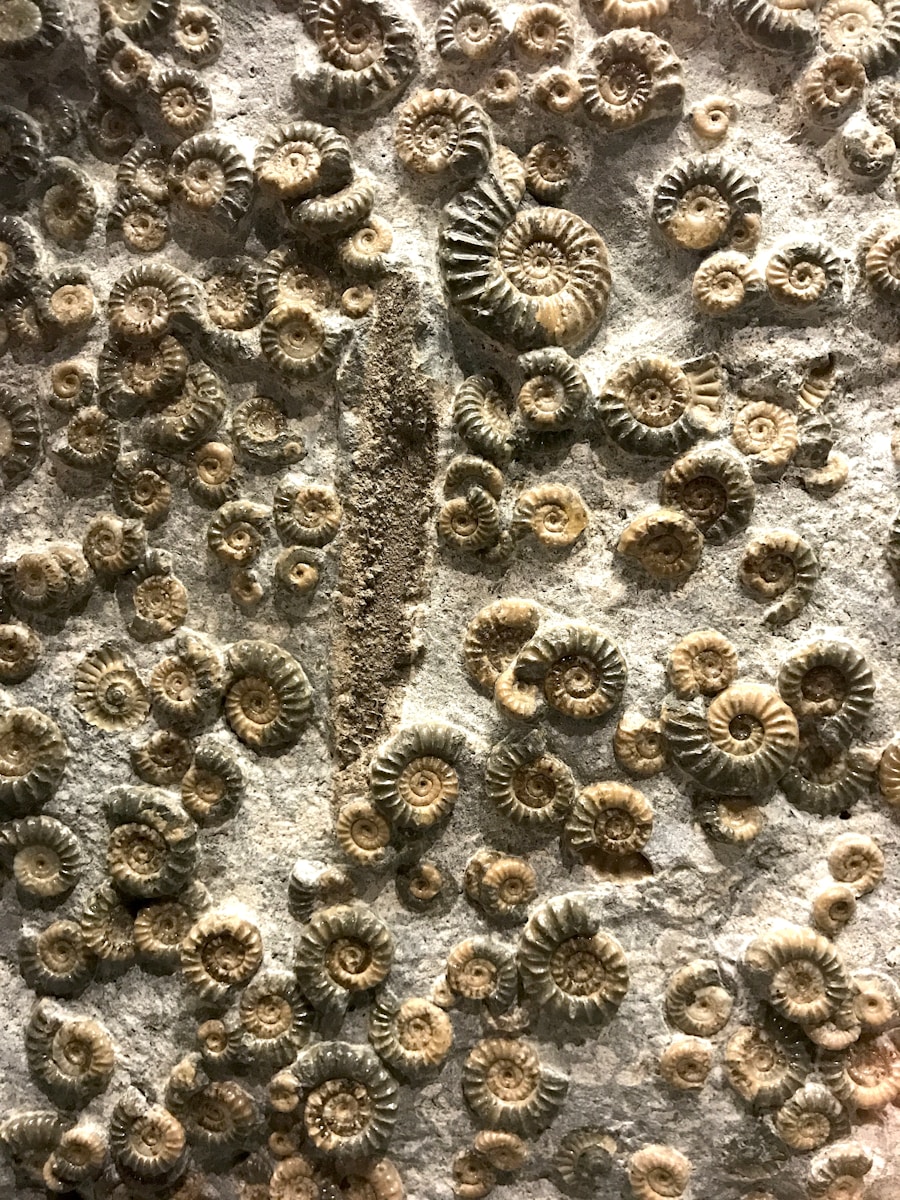
Research by lecturers like Dr. Ros Fatihah Muhammad helps address this issue by demonstrating why fossils remain highly relevant in the modern world. Fossils are not merely remnants of extinct animals; they are windows into Earth’s past environments, revealing information about climate fluctuations, vegetation changes, and the interactions between species over millions of years. Through meticulous study, lecturers can reconstruct ancient ecosystems and identify patterns that inform our understanding of contemporary environmental challenges.
For example, analysing Stegodon fossils provides insights into the adaptation strategies and migratory behaviours of large mammals, shedding light on how species respond to long-term environmental stressors. These findings underscore that environmental change is a gradual and complex process, challenging simplistic views that attribute modern ecological shifts solely to human activity.
Another important contribution of fossil research is its role in bridging the gap between science and the public. Geological studies often occur far from urban centres, yet their implications can resonate widely when communicated effectively. By translating technical findings into accessible narratives, lecturers transform fossils from “old bones” into tangible evidence of Earth’s dynamic history.
This approach enhances public understanding of climate change, habitat loss, and biodiversity, helping people recognize the connections between past events and present challenges. Engaging exhibits, community programs, and interactive media allow non-specialists to see that fossils are not relics of an abstract past but active tools for learning about the processes that shape our environment today.
Education is another arena where this research has significant impact. When students discover that their own region contains fossils or unique geological formations, they often develop a sense of curiosity and personal connection to the natural world. Geology then becomes not only a subject to be studied but also a lens through which to understand broader questions about Earth’s history and humanity’s place within it.
Lecturers like Dr. Ros Fatihah play a critical role in translating complex scientific concepts into materials that students, educators, and the general public can engage with meaningfully. By doing so, they inspire the next generation of scientists and informed citizens who appreciate the value of both knowledge and stewardship.
Beyond education, geological research informs societal decision-making. Identifying fossil-rich areas can guide responsible land use, urban planning, and conservation strategies. For example, protecting fossil sites may influence the placement of infrastructure, tourism development, or agricultural projects. In this way, geology is not simply a historical science but a practical framework for balancing development with preservation. It reminds society that sustainable choices require evidence, foresight, and respect for the long-term consequences of human actions.
For readers, especially students, the takeaway is clear: studying the past equips us to consider the future more carefully. Fossil research encourages reflection, patience, and attention to detail. It reminds us that the Earth has experienced countless transformations and that human activities today will similarly leave enduring marks. In a fast-moving world, geology cultivates observation, critical thinking, and respect for scientific evidence.
Through the work of lecturers like Dr. Ros Fatihah Muhammad, fossils become more than static museum specimens; they serve as enduring reminders of environmental fragility, the importance of conservation, and our responsibility to future generations.
The author is an undergraduate student of Universiti Malaya, taking an elective university course entitled “Introduction to Journalism and Storytelling in Digital Age”, and may be contacted via nahrizuladib@um.edu.my