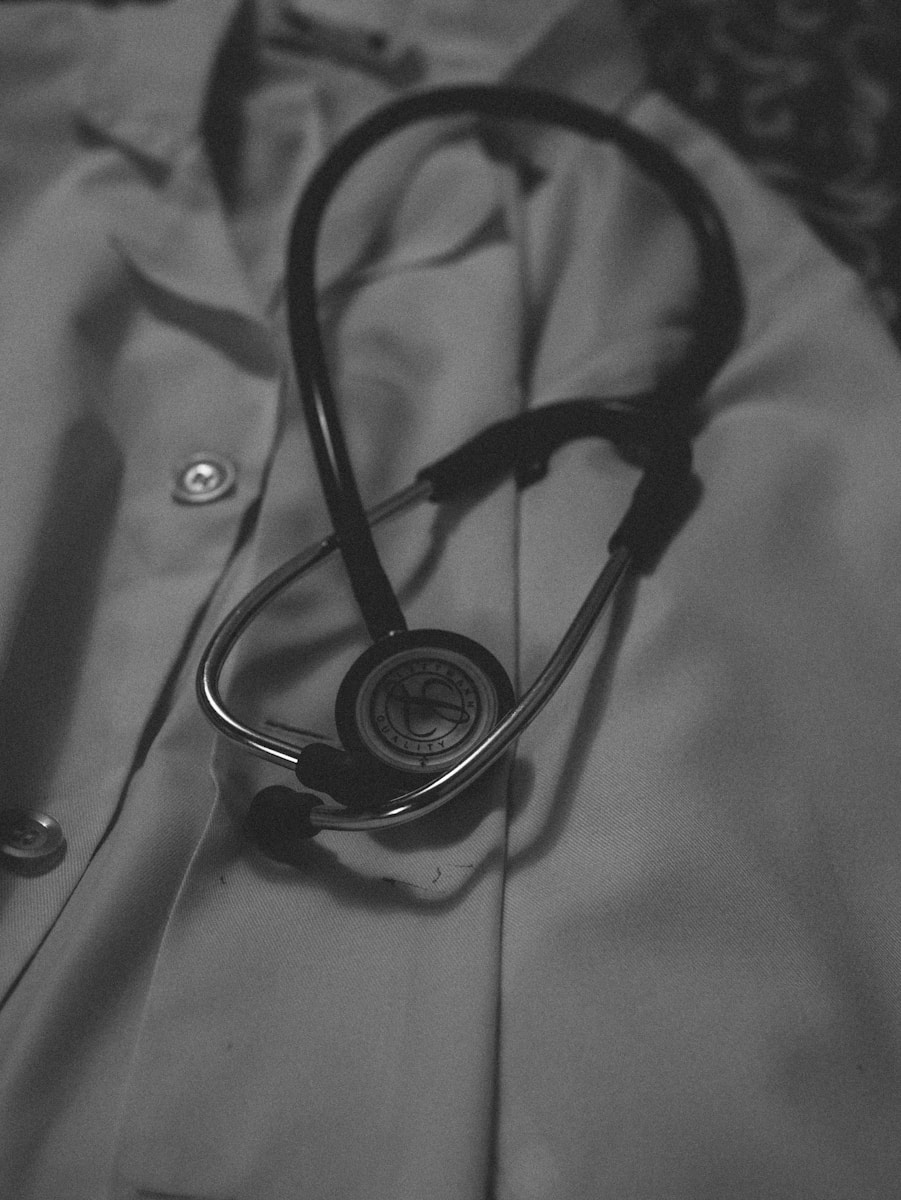
We don’t just need smart doctors—we need kind ones
By Dr. Jazli Aziz
The recent revelation of a doctor’s horrid living conditions in Sabah after struggling for years with severe depression due to workplace bullying is unfortunately, not as shocking as it should be. This was just another reminder of the worrying lack of compassion and empathy in Malaysia’s healthcare sector. As a society, we seem to revere medical doctors as a symbol of intelligence, status, and career success. Yet for all this reverence, an image of kindness is not often associated with doctors in Malaysia – though it should be expected of someone who dedicates their lives to healing. Despite often being known for their intelligence, smarts alone do not make a good doctor. Compassion, empathy, and humanity are just as essential. And when these are lacking, the system suffers.
The struggles of medical doctors, especially junior doctors in Malaysia with workplace bullying is actually a common problem, and a recent scientific study estimated just how widespread this problem is. A team of researchers from UiTM, UM, and UKM published a study in 2021 that included 1074 junior doctors from twelve government hospitals across central Malaysia. The team found that 1 in 10 junior doctors in the study reported being bullied at work, but this is likely to be an underestimation. The type of bullying reported includes being humiliated or ridiculed, having gossip spread, being shouted at, and being given unmanageable workloads. And this wasn’t a rare occurrence as many doctors reported this behaviour weekly or even daily.
So why are some people in the healthcare sector perpetuating such negative behaviour towards their juniors? Some theorise that the power, admiration, and respect associated with being a medical professional tends to attract individuals with negative personality traits. For example, teenagers who display narcissistic behaviour or who feel entitled might be attracted to high-status professions – like medicine – out of their desire for admiration.
And research has in fact shown that narcissism in the workplace is associated with workplace bullying. But this might not be the sole reason. In Malaysian culture, we tend to place far too much weight behind seniority and titles that abusive behaviour by people with any degree of seniority or any title is often overlooked or normalised. And out of fear of repercussions, nobody speaks up against this behaviour, even if they know it is wrong.
Even when someone does speak up, they might merely be brushed off due to our “tidak apa” attitude. “We went through this, so you must too” is often the justification given for bullying in the workplace, while “Don’t tarnish the reputation of the hospital” is used to dissuade would-be whistleblowers. Furthermore, a lack of willingness among those in power to take action against such perpetrators likely leaves juniors feeling disillusioned about their chosen profession, one that is meant to care for others and promote healing. Emotional intelligence, empathy, and compassion are critical in the medical field, yet for some reason these traits are lacking among some medical professionals.
Despite the misguided justifications given in an attempt to minimise the impact of workplace bullying, the costs are substantial. Constant bullying and a harsh working environment can lead to burnout and depression, which not only lead to decreased efficiency at work but also leaves a significant mental, emotional, and physical toll on victims. Ultimately, the healthcare system will lose out on qualified medical professionals who quit due to the pressure exerted on them from workplace bullying. Even those who try to tough it out may end up being hostile and combative due to their toxic workplace. Ultimately, when doctors are hurting and the healthcare system takes a toll, patients are affected too.
The good news is that this problem can be fixed – if everyone does their part. Institutes of higher learning and medical educators need to emphasise the importance of empathy, compassion, communication, and humanity more than what is currently being done. Assessment needs to evaluate emotional intelligence alongside academic metrics. Health Minister Datuk Seri Dr Dzulkefly Ahmad meanwhile has promised that new guidelines will be launched in October to curb the use of hurtful or offensive language – which will be classified as a form of workplace bullying – in government hospitals and clinics.
And although the Health Ministry’s online portal for reporting cases of workplace bullying, MyHELP was launched back in 2022, there must be a strong commitment from the ministry to thoroughly investigate submitted reports and take action against bullies in the healthcare sector.
It goes without saying that the healthcare sector is meant to be a safe place not just for patients, but for all healthcare practitioners as well. We cannot expect compassionate care from doctors if they (especially the juniors) are subjected to workplace bullying every day. A good doctor is not just smart, but also kind to everyone, which includes peers and subordinates.
As Malaysians, we always consider kindness as one of our biggest strengths. There’s no reason why this should not be true of our healthcare sector as well.
Dr. Jazli Aziz is with the Department of Oral and Craniofacial Sciences, Faculty of Dentistry, Universiti Malaya, and may be reached at jazliaziz@um.edu.my