By Nurhazwaliza Binti Kamarod
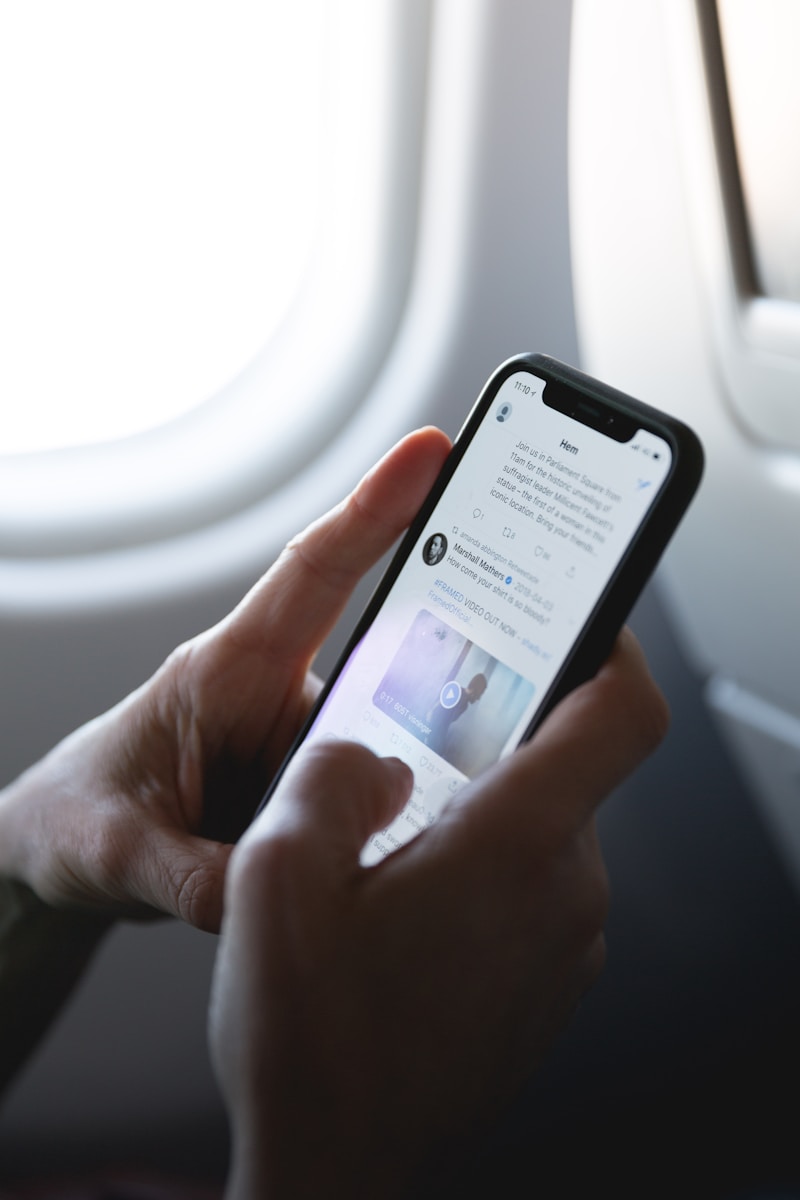
Every day, I wake up and scroll.
Before I even brush my teeth, I’ve already seen someone’s vacation in parts of the world that I have never been, a viral clip from yesterday, a girl unboxing the latest phone, and a stranger’s opinion on why Gen Z is “too soft.” Yes, it’s exhausting; but let’s face it: It’s addictive, and impossible to ignore.
This is the media world I grew up in. Not just consuming it, but being shaped by it. Whether we realize it or not, media tells us who to be, what to care about, and how we should show up in the world. And for many of us in this generation, our identity is still being negotiated under the constant gaze of likes, shares, and filters.
I sincerely believe that media is not inherently evil. In fact, it’s one of the most powerful tools of our time. Through platforms like Instagram, TikTok, and YouTube, I’ve learned about cultures I’ve never visited, ideas I’ve never encountered, and stories I would never hear on mainstream news. Media has connected me to communities that affirm who I am — as a Southeast Asian youth, as a Muslim, as someone navigating life in between tradition and modernity.
It’s allowed many of us to share our cultures with pride, to reclaim languages that were once mocked, and to talk about mental health, gender, or faith with honesty. And most importantly, it has given a platform to young people who, in the past, would have remained invisible.
But here’s the catch: media also fragments who we are.
We curate the best version of ourselves online. We post the wins, the aesthetic angles, the achievements, and the carefully selected quotes. But what about the in-between moments? The confusion, the insecurity, the loneliness, or the cultural expectations we quietly carry? These parts of our identity don’t always fit into a 15-second video or a neatly filtered Instagram post.
When I was younger, I used to think media was just a reflection of the world. But now I see that media actually ‘creates’ the world. And more importantly, our place in it. It tells us whose stories matter. Whose beauty is valid. Whose struggles are “trending.” And often, those of us from small towns, minority backgrounds, or non-Western cultures don’t see ourselves represented at all. Or worse, we’re reduced to stereotypes.
So how do we resist this pressure to perform? How do we reclaim our image when the media constantly tries to define us? I believe it starts with intentional storytelling.
Instead of copying what gets the most views or what the algorithm prefers, we need to ask ourselves: What story do I want to tell? What version of myself feels honest? For me, that means being real. Be it about my language, my background, my struggles with identity, or my hopes for the future. It means showing up online the same way I do offline: imperfect, but real.
It also means creating space for others to do the same.
We need more platforms that allow young people to express themselves without fear of being judged or misrepresented. We need media that uplifts diverse voices. Especially those who have been historically silenced or sidelined. Whether it’s a podcast in a local dialect, a photo essay on hijabi skaters, or a TikTok explaining rural traditions, our generation needs to tell our own stories, in our own way.
And finally, we need to remember that identity is more than an aesthetic. It’s a journey. It’s okay not to have everything figured out. We don’t need to fit into a single brand, label, or algorithm to be valid.
So the next time I catch myself asking, “Am I enough?” because of what I see online, I will pause. I will breathe. I will remind myself: I’m not just content. I’m a person.
A generation is watching. But more importantly, we are watching ourselves.
Let’s make sure the version we see, and more importantly the version we share, is real.
The author is an undergraduate student of Universiti Malaya, taking an elective university course entitled “Introduction to Journalism and Storytelling in Digital Age”, and may be contacted via nahrizuladib@um.edu.my