By Tan Yan Yee
“Mak, are you okay?” That simple question, asked countless times a day across Malaysian households, reflects an increasingly urgent concern. As adult children juggle careers, families, and caregiving, many elderly parents are quietly facing the vulnerabilities that come with ageing. By 2030, over 15% of Malaysians will be aged 60 or above, and the implications of this demographic shift are massive.
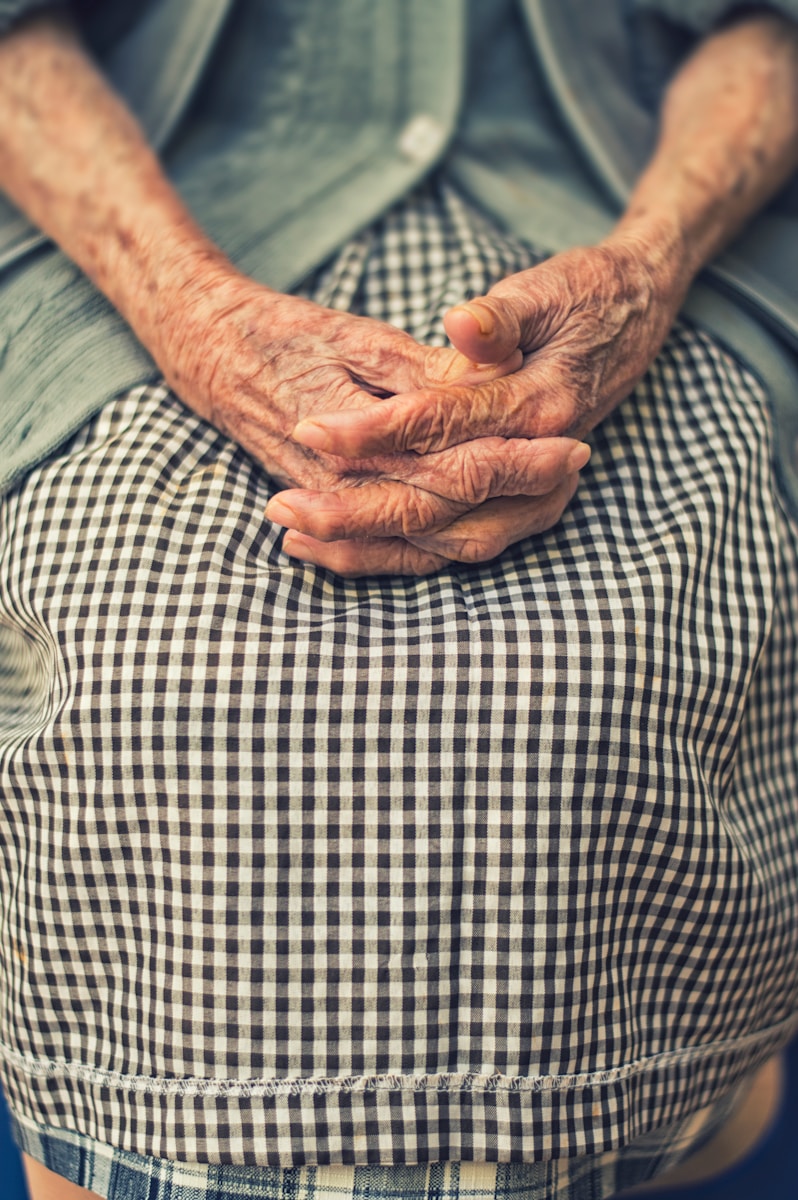
We often talk about healthcare, economic policy, or pensions when discussing ageing. But we rarely ask: how do we ensure our elderly can age with dignity? Behind every ageing statistic is a human story, either one of perseverance, of legacy, and often of loneliness. Many older Malaysians live with limited mobility, chronic illnesses, or cognitive decline, yet continue to crave autonomy, purpose, and connection. And while families and caregivers do their best, the challenges of elderly care are growing more complex. That’s where biomedical engineers like myself come in.
As a student working on a sensor-based elderly care solution, I’ve had the chance to explore how technology can make ageing safer, more dignified, and less isolating. Our project focuses on integrating fall detection systems, room occupancy sensors, and wearable vital sign monitors into elderly care homes. These systems can detect unusual activity patterns, alert caregivers in real-time, and help ensure that residents receive timely assistance. But the goal is not to flood homes with gadgets. It’s to design quiet guardians: tools that work in the background, offering support without intruding on privacy.
Imagine a grandmother who lives alone but wears a lightweight device that tracks her movements and vitals. If she falls or shows signs of abnormal heart activity, a caregiver is alerted within seconds. Now imagine that same system in a care home, where one nurse watches over 15 to 20 residents. With smart sensors, that nurse can know exactly who needs help, and when. This isn’t science fiction; it’s biomedical engineering, applied with empathy and kindness. Working on this project has reshaped how I view my field. I used to think engineering was about making things smarter or faster or cheaper. Now I see it’s also about making life kinder. When we design systems for the elderly, we’re not just solving technical problems, but we’re restoring ability to people who often feel it slipping away.
We’re saying: you are still in control, even if your body isn’t what it used to be. Malaysia’s ageing challenge demands more than policy reform or hospital beds. It demands a cultural shift in how we think about old age. Are our homes, hospitals, and public spaces prepared for the mobility needs of an 80-year-old? Are we training enough professionals to care for dementia patients? Are we investing in technologies that allow elders to live independently and safely? Biomedical engineers have a key role to play in bridging the gap between clinical care and everyday life. We must collaborate with doctors, caregivers, and policymakers to ensure that our solutions are accessible, affordable, and user-friendly. After all, the best technology is the one that gets used.
Through this work, I’ve also learned a lot about myself. Being a student in this field during such an important time has been both humbling and motivating. It’s easy to get caught up in the typical engineering details: circuit boards, signal processing, algorithms. But at the end of the day, our purpose is human. If our technology helps one elderly person avoid a fall, sleep better, or feel less alone, then all those hours in the lab are worth it.
Malaysia is not alone in facing an ageing population, because it’s a global challenge. But we have the chance to meet it with innovation and care. Let us build a society where no one feels invisible just because they are old. Let us use science not only to prolong life, but to enhance the quality of living. To fellow engineers, I say this: design with dignity in mind. To policymakers: invest in age-friendly technologies. And to society at large: remember that we’re not preparing for someone else’s future, but we’re preparing for our own.
Because one day, we’ll be the ones answering that question: “Are you okay?” Let’s make sure the answer is yes.
Tan Yan Yee is a final year biomedical engineering student at Faculty of Engineering, Universiti Malaya and may be reached at nahrizuladib@um.edu.my