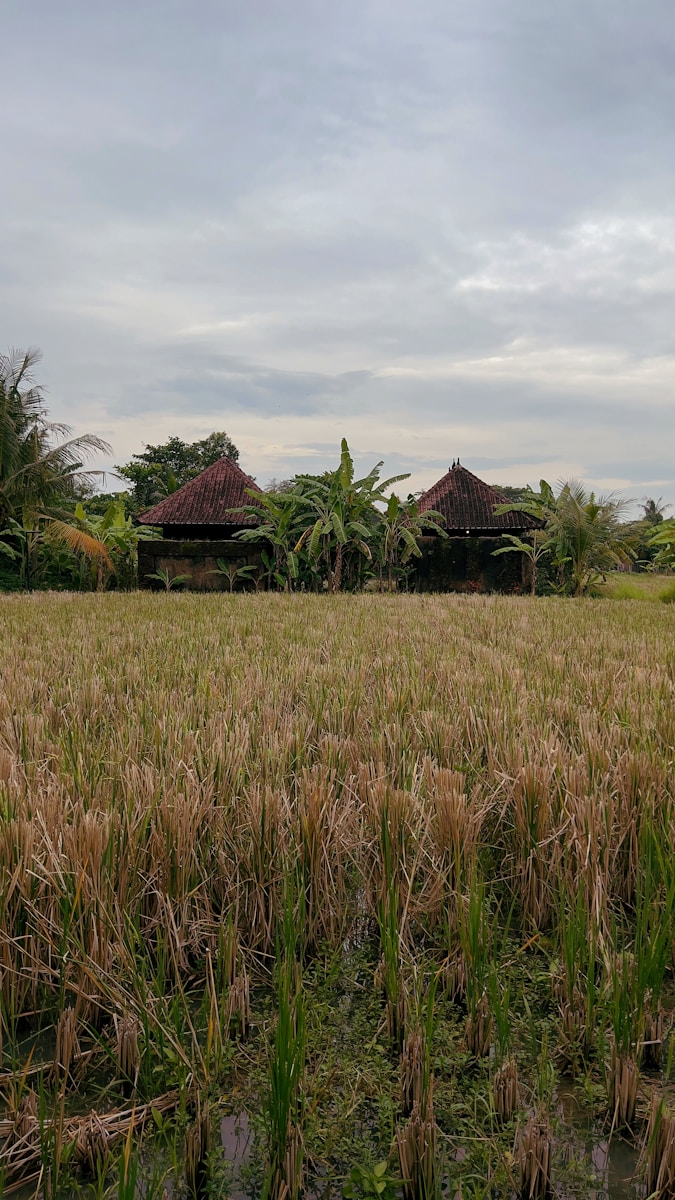
Make circularity harvest real food security for Malaysia
By Ahmad Ibrahim
Malaysia’s National Agrofood Policy (NAP) 2021–2030 promises a bold vision: self-sufficiency, high-tech farms, and a circular economy driving sustainability. Yet behind the glossy blueprint lies a harsh reality—decades of underinvestment, fragmented governance, and climate vulnerability threaten to rot this ambition before it ripens. Embracing circularity isn’t just eco-friendly jargon; it’s a survival strategy. But without confronting core challenges, Malaysia risks sowing seeds of failure. The core challenges involve more than just poor soil.
One concerns what is referred to as the smallholder squeeze. 80% of farmers work plots under 1 hectare, trapped in low-tech, low-yield cycles. There are circular barriers. No capital for biogas digesters or compost systems. No scale to reuse waste streams. To achieve that remedial leap calls for collectivize innovation. State-backed “circular hubs” could lease tech (e.g., shared composting facilities, solar dryers) and broker crop waste-to-feed deals between farms.
Import addiction remains a big worry. An estimated RM80 billion/year in food imports (2022), including 60% of vegetables are a concern. So much so that climate disruptions abroad can equal empty shelves at home. There is a circular disconnect. While NAP touts “closed-loop” farms, we lack systems to redirect urban food waste (17,000 tonnes/day) into animal feed or fertilizer. In terms of solution, the suggestion is to mandate commercial food waste segregation for processing into agricultural inputs. Incentivize factories to use rice husks, palm biomass, or spent grain. But from the engagement with NAP people at the ministry, achieving economy of scale remains the biggest challenge.
The droughts in Kedah, floods in Johor—2023’s extremes, slashed rice yields by 40%. Circular urgency includes water recycling, drought-resistant crops, and soil carbon capture. They are non-negotiable. Yet adoption is glacial. As a remedy, it is suggested to tie subsidies to circular metrics. Pay farmers for verified water savings, compost use, or methane capture—not just yield.
There is evidence of policy fragmentation. MAFS (Ministry of Agriculture and Food Security) promotes circular farms; MITI handles green tech; state governments control land/water. But palm oil mills burn waste while vegetable farms buy chemical fertilizer. One suggestion is to create a circular agrofood task force with cross-ministerial teeth. Audit waste flows (palm, rice, livestock) and map industrial symbiosis zones.
The circular remedies call to move from theory to practice. Waste is the new “Crop”. The problem is 80% of palm biomass is underused; 70% of municipal waste is organic. The obvious solution is to scale community biohubs to process farm/food waste into inputs. Example: Sarawak’s “waste-to-wealth” parks turning sago waste into feed. There is also the unforgiving math of water. The problem, paddy fields consume 50% of national water and leakage exceeds 35%. The solution is to pay farmers to adopt closed-loop irrigation and rainwater harvesting. And pilot solar-powered desalination for coastal farms.
Technology justice for smallholders must be addressed. The problem is precision agtech (IoT sensors, AI) is priced for plantations, not small farms. One solution is to make Government-as-anchor-tenant. Then lease tech to cooperatives; use procurement contracts (e.g., for circular-certified rice) to de-risk adoption. Need to bridge the urban-rural circular gap. The problem is that cities discard nutrients; farms buy synthetics. One suggested solution is to create metro “Food Waste Rail”: Dedicated transport to divert urban organics to rural compost plants. And give tax breaks for retailers donating unsold produce.
Circularity isn’t optional—it’s survival. Malaysia’s agrofood plan needs more than slogans. It demands a wartime mentality: coordinate across silos, redirect subsidies, and treat waste as strategic. The Netherlands—a tiny nation feeding the world—powers half its greenhouses with agricultural waste. Brazil turns crop residues into bioelectricity. We have the biomass. We have the need. What’s missing? Political courage to phase out leaky, linear subsidies. Urgent capital is needed for circular infrastructure (not just drones). Treat farmers as partners, not recipients. Without this, the NAP’s circular vision will starve on the vine.
But if we act—linking palm waste to rice paddies, cities to villages, data to dirt—we won’t just secure food. We’ll build an agriculture that heals, not harms. The time for pilot projects is over. The hunger clock is ticking. A circular farm isn’t zero-waste—it’s zero-wasted opportunity.
The author is affiliated with the Tan Sri Omar Centre for STI Policy Studies at UCSI University and is an associate fellow at the Ungku Aziz Centre for Development Studies, Universiti Malaya. He can be reached at ahmadibrahim@ucsiuniversity.edu.my.