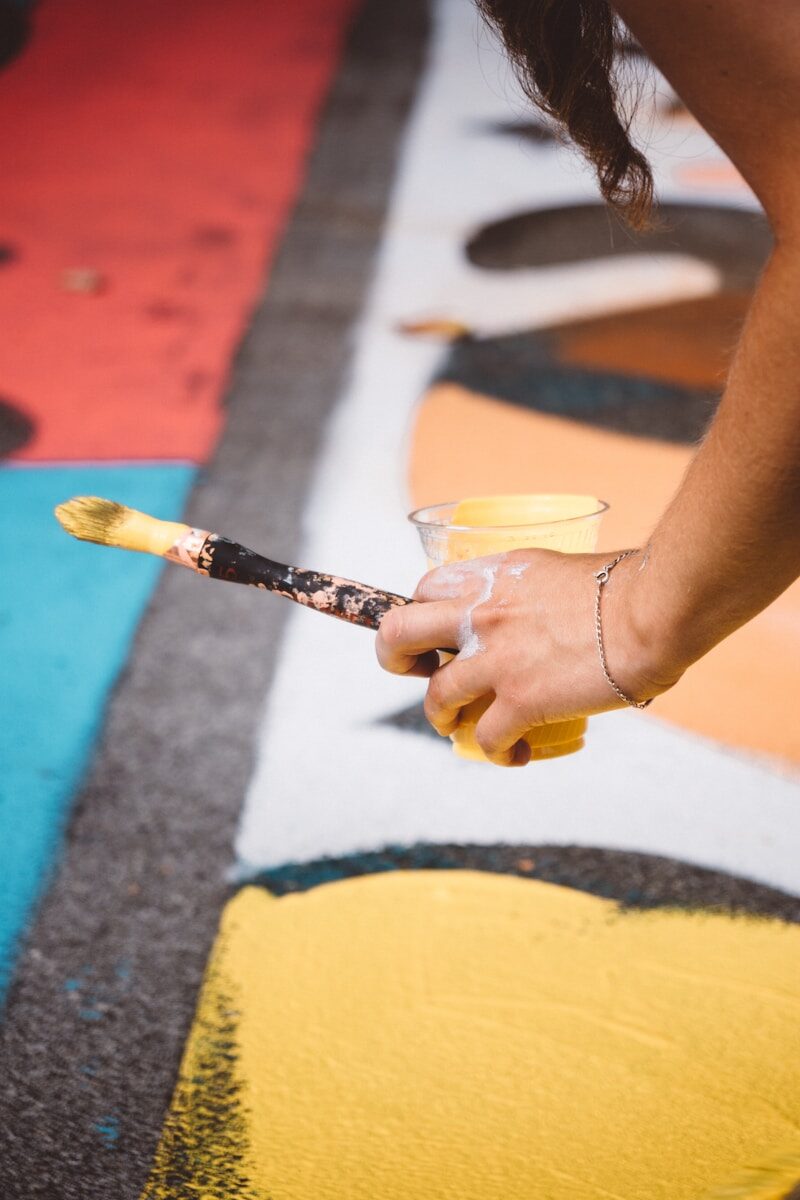
Street art is rewriting Kuantan’s story
By Associate Professor Dr Yong Adilah Shamsul Harumain
Street art has quietly transformed from a passing trend into a meaningful urban movement across Malaysia. From Penang, Taiping to Ipoh, then Kuala Lumpur and even in Kuantan, ageing shopfronts and forgotten walls are being reimagined with colour, narrative and identity. What was once merely aesthetic has evolved into something far more profound—an instrument of community revival.
For decades, planners and urban designers have understood the importance of street life. Jane Jacobs famously reminded us that streets thrive when they are lived in, when there are “eyes on the street,” when people feel safe, engaged and connected. Her ideas reshaped how we view cities, emphasising human presence over rigid planning.
Yet what is unfolding in Kuantan suggests something beyond theory.
Here, street art is not just beautification; it is activation. It draws people out of their homes and into shared spaces. Murals become landmarks, meeting points, and backdrops to everyday life. Families linger, children play, and visitors pause not simply to admire, but to belong. It felt safe, alive and celebrated.
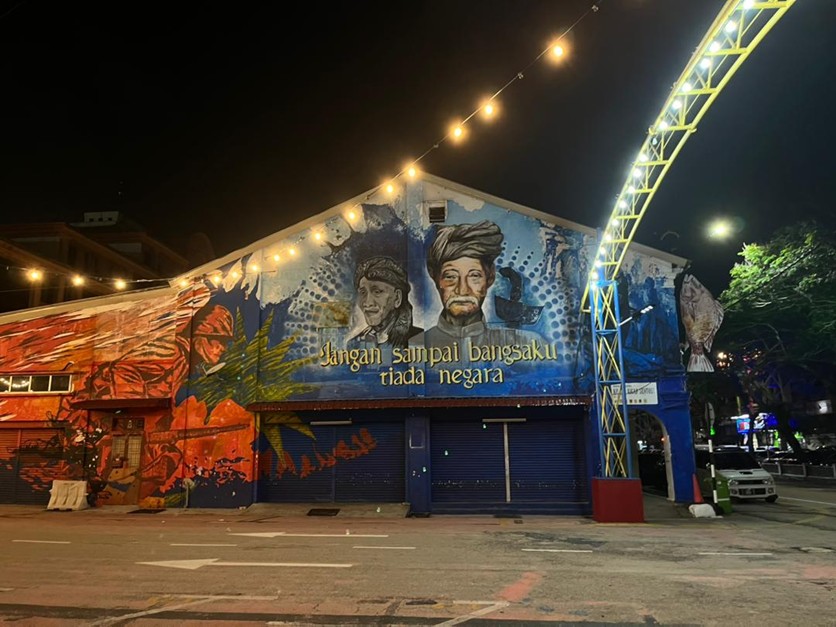
The transformation is most evident as day turns into night. Streets that might once have been quiet now pulse with life. Night markets emerge organically—stalls offering local food, handmade crafts, toys, and small delights that reflect the soul of the community. From traditional food, “puding diraja,” to fancy modern desserts, from rustic plates to toys and clothes, all are available for all levels of people. These are not imposed attractions; they are lived experiences created by the people of Kuantan for Kuantan people. The street becomes a living room of the city—open, inclusive, and warm. I sometimes wonder, can this be replicated easily in other towns? Is it the street art or the community itself?
One mural stay with me, an illustration of the traditional cobbler. Not just a single image, but real cobblers, lined along the street, a continuous story of craft and livelihood. What makes this initiative remarkable is that it does not stop at representation. Just beside these murals sits an actual cobbler station thoughtfully designed with proper shade, storage, and space to work. It is a rare example where art does not merely illustrate reality but supports it. The dignity of the craft is preserved, not only on the wall but on the ground.
Equally meaningful is how the murals reflect the identity of Kuantan itself. The use of local language, expressions, and cultural references transforms these walls into more than visual attractions; they become storytellers of place. Young visitors pause to read, to ask, to learn; the older generation smiles in recognition. In this quiet exchange, the street becomes a classroom, bridging generations through shared symbols and language. It is here that street art moves beyond aesthetics; it becomes heritage in motion, gently reminding us of who we are and where we come from.
What is striking is the effort people are willing to make to be part of this environment. Visitors travel from afar, navigate limited parking, walk considerable distances, yet arrive with a sense of anticipation rather than inconvenience. There is a quiet joy in the journey, because the destination offers something increasingly rare in modern cities: authenticity.
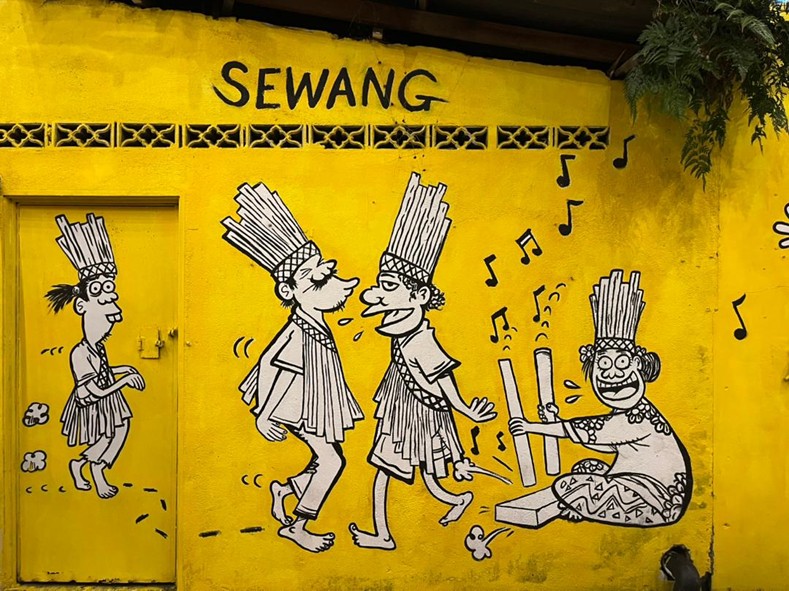
In this sense, Kuantan is not merely applying the lessons of urban theory—it is extending them. Street art here does not only create “eyes on the street”; it nurtures hearts within the street. It fosters emotional attachment, strengthens social bonds, and builds a shared identity that cannot be manufactured through infrastructure alone.
Credit must be given to Majlis Bandaraya Kuantan, alongside the artists and community actors who have embraced this vision. Their effort reflects a deeper understanding that cities are not only built with concrete and plans, but with stories, participation and care.
Kuantan reminds us of a simple but enduring truth. When a street is loved, it becomes alive. And when it is alive, it belongs to everyone.
The author is an Associate Professor at the Faculty of Built Environment, Universiti Malaya and may be reached at adilah_shamsul@um.edu.my