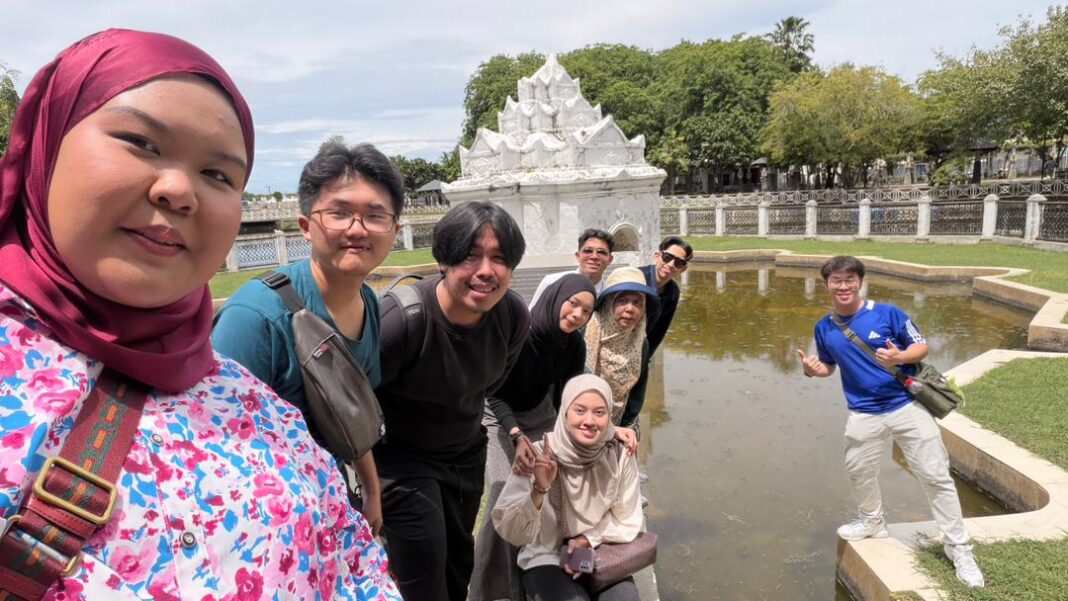
UM explores international building surveying ‘classroom’ in Banda Aceh
By Assoc. Prof. Sr Dr. Zuraini Md Ali and Dr. Zulfikar Taqiuddin
As educators, we often remind our students that the best lessons are not always found in lecture theatres or textbooks. Sometimes they are discovered while standing in front of a centuries-old mosque, listening to the stories of local communities, photographing a heritage building under the tropical sun, or simply sharing conversations over a meal with friends from another country.
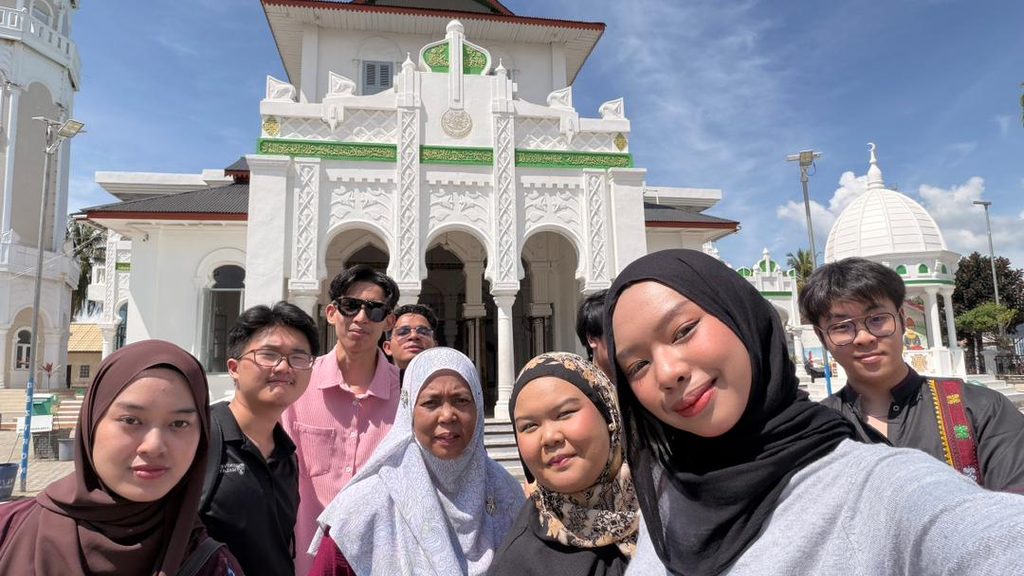
These moments came alive during the recent Universiti Malaya–Universitas Syiah Kuala Summer Outbound Mobility Programme 2026, which brought together eight students from the Department of Building Surveying, Universiti Malaya, and eighteen students from the Department of Architecture, Universitas Syiah Kuala. For a week, Banda Aceh became a shared classroom where learning extended far beyond academic content.
Although Malaysia and Indonesia are close neighbours, many young people have limited opportunities to experience each other’s cultures and educational environments in depth. This programme sought to bridge that gap by creating an immersive learning experience centred on heritage, architecture, conservation, culture and community.
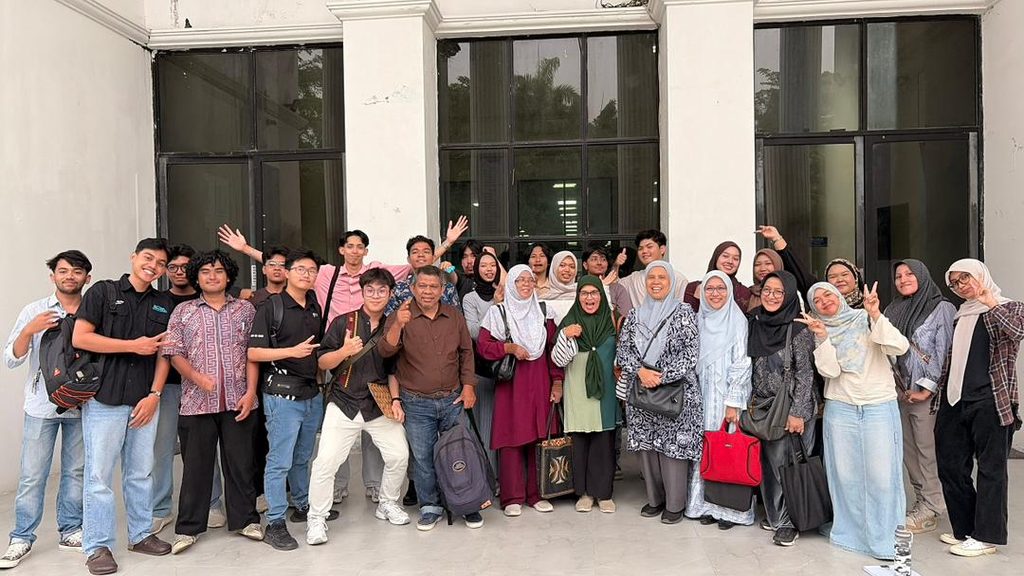
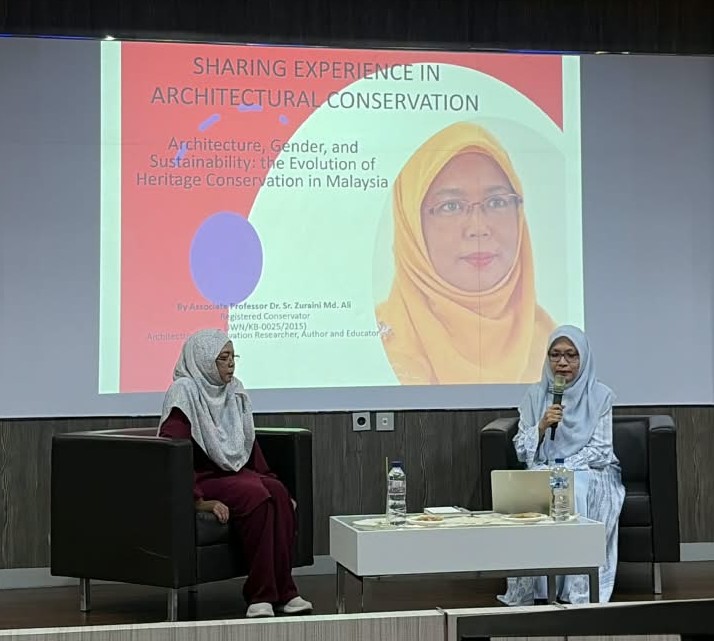
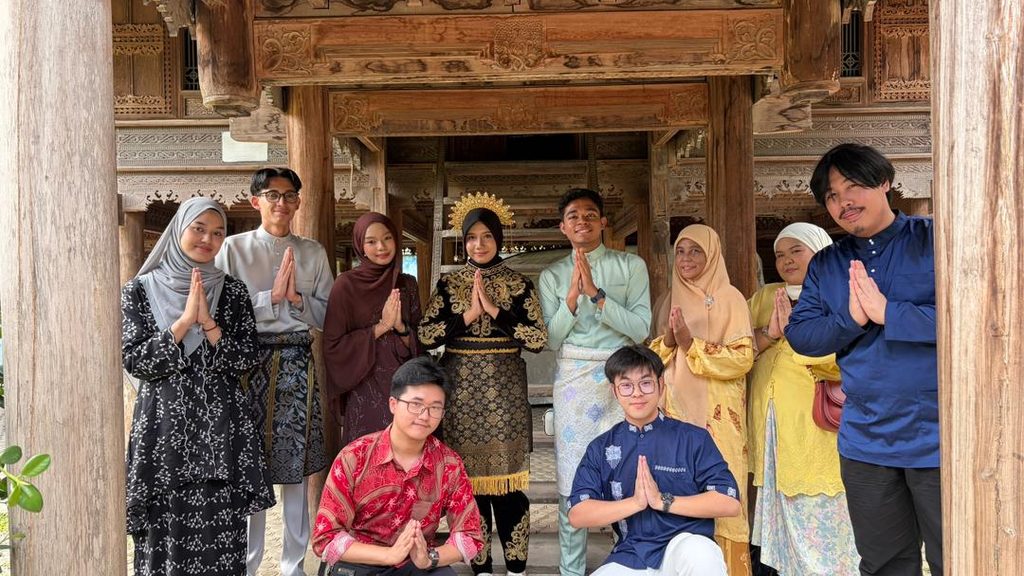
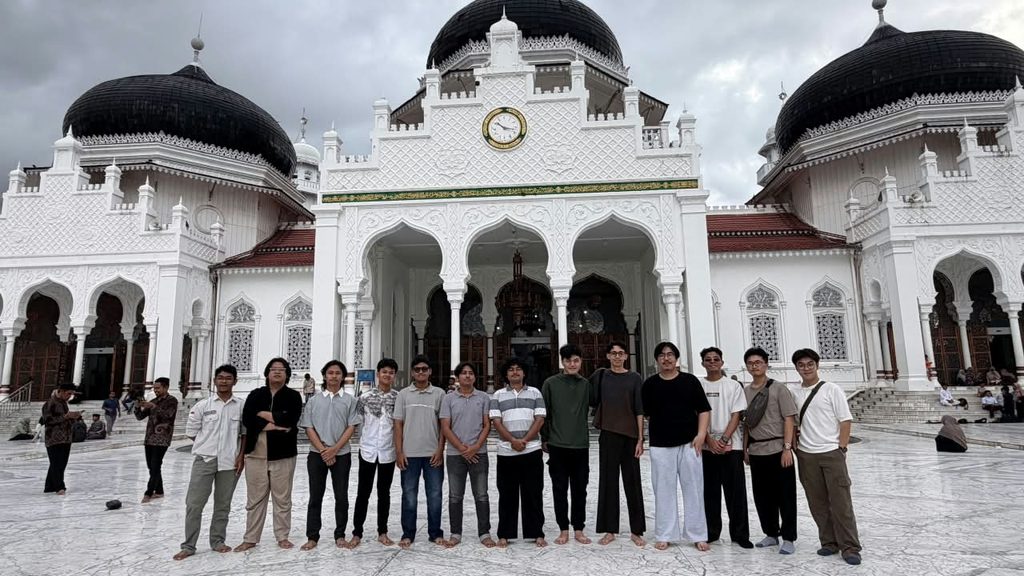
From the beginning, we encouraged the students to see themselves not merely as visitors or hosts, but as collaborators. We wanted them to observe carefully, ask thoughtful questions, challenge assumptions and learn from one another. What unfolded exceeded our expectations.
Watching Malaysian and Indonesian students work together during site visits, workshops and discussions reminded us that meaningful education happens when students actively exchange ideas. Language differences quickly faded as they photographed historic buildings together, debated conservation approaches, documented architectural details and reflected on the stories embedded within the built environment.
For the Universiti Malaya students, Banda Aceh offered an invaluable opportunity to witness how heritage conservation intertwines with resilience. Visits to the Baiturrahman Grand Mosque, Banda Aceh Museum, Tsunami Museum, PLTD Apung and traditional Acehnese settlements transformed textbook knowledge into lived experience. Standing in places that have witnessed both unimaginable tragedy and remarkable recovery allowed students to understand that conserving heritage is not only about protecting physical structures but also about preserving collective memory, identity and hope.
For the Universitas Syiah Kuala students, working alongside peers from Malaysia opened new perspectives on architectural education, building surveying and heritage documentation. The exchange encouraged them to compare professional practices, discuss conservation philosophies and appreciate different approaches to managing historic buildings in neighbouring countries.
One of the most rewarding aspects of the programme was observing how quickly friendships developed. Academic collaboration naturally evolved into cultural exchange. Students introduced one another to local customs, traditional food, everyday expressions and campus life. Conversations continued long after scheduled activities ended, reflecting genuine curiosity and mutual respect.
As lecturers, these informal moments were perhaps the programme’s greatest success. They reminded us that internationalisation is ultimately about people rather than places. While universities often measure mobility through statistics and partnerships, the real impact lies in the relationships built between students who may one day become architects, surveyors, planners, engineers and policymakers working across Southeast Asia.
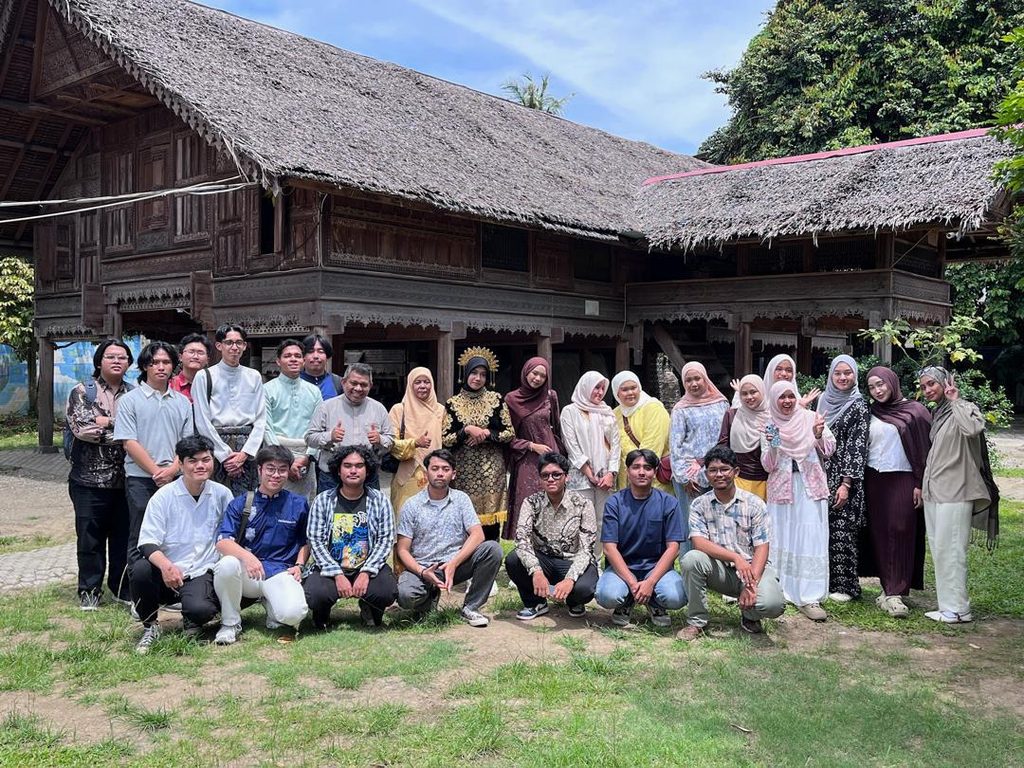
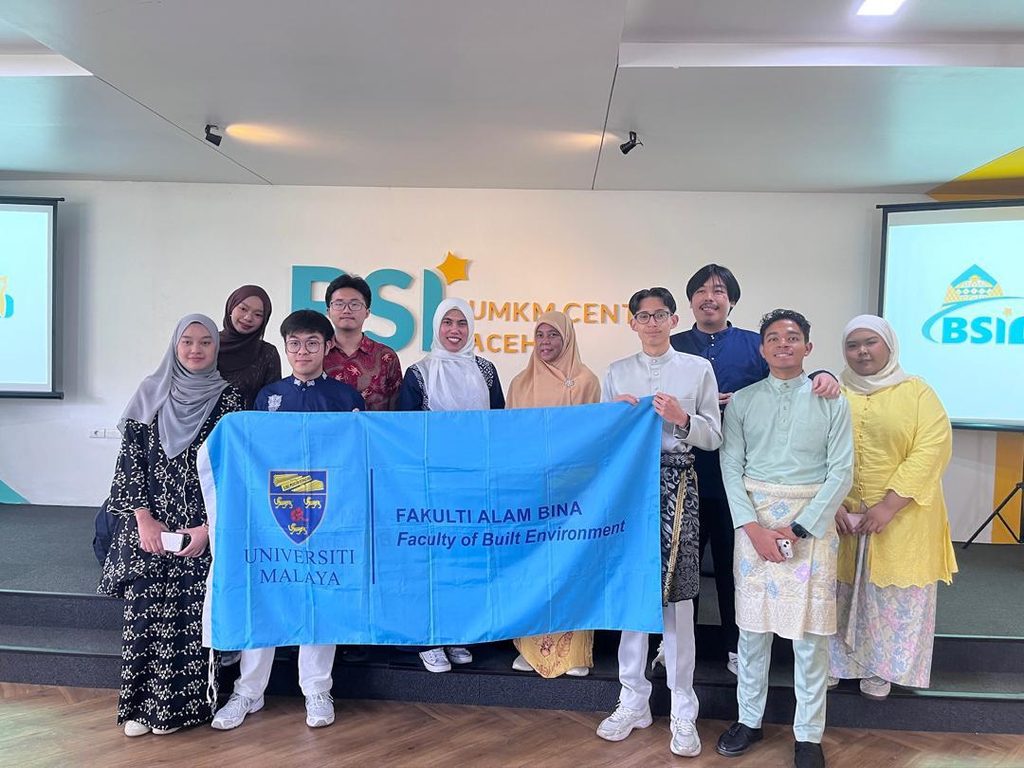
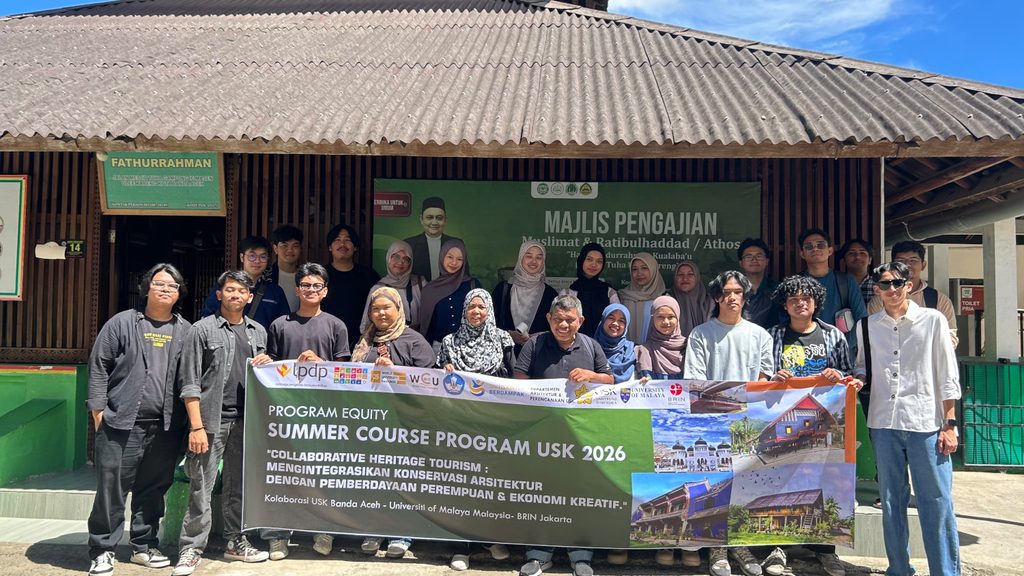
The programme also challenged students to think critically about the future of heritage conservation. Across our region, historic places are increasingly threatened by rapid urbanisation, environmental change and the demands of modern development. Through field observations and collaborative discussions, students recognised that preserving heritage requires balancing conservation with contemporary needs, while ensuring that local communities remain central to decision-making.
Equally important was the opportunity for students to appreciate the shared cultural foundations that unite Malaysia and Indonesia. While each nation possesses its own architectural identity and historical journey, there are many common values reflected in our traditional settlements, craftsmanship, religious buildings and community traditions. Understanding these shared roots strengthens not only academic cooperation but also regional solidarity within ASEAN.
This programme demonstrated that universities have an important responsibility beyond producing graduates with technical knowledge. We must also cultivate professionals who possess empathy, cultural intelligence and the ability to collaborate across borders. These qualities are becoming increasingly essential as future built environment professionals address complex regional challenges, from climate resilience and disaster preparedness to heritage conservation and sustainable urban development.
The collaboration between Universiti Malaya and Universitas Syiah Kuala reflects this shared commitment. Together, we are creating opportunities for students to experience authentic learning environments where theory is tested against reality and where international partnerships translate into meaningful educational outcomes.
As we watched the programme conclude, it became clear that every participant would return home carrying something different. Some would remember the magnificent architecture of Aceh’s historic landmarks. Others would cherish the friendships formed through late-night discussions, collaborative fieldwork or shared cultural performances. Many would carry new ideas about heritage, architecture and conservation that will shape their future careers.
For us, however, the most enduring memory is seeing students from two neighbouring nations learning not only about buildings, but also about one another. In a world often divided by differences, education continues to remind us that understanding begins with conversation, collaboration and shared experience.
Perhaps that is the greatest lesson of all. Heritage is more than the preservation of places; it is the preservation of relationships, memories and identities. And education, when it transcends borders, becomes one of the most powerful tools for building a more connected, compassionate and resilient Southeast Asia.
Assoc. Prof. Sr Dr. Zuraini Md Ali is from the Department of Building Surveying, Faculty of Built Environment, Universiti Malaya and can be reached at zuraini_mdali@um.edu.my and Dr. Zulfikar Taqiuddin is from the Department of Architecture and Planning, Fakultas Teknik, Universitas Syiah Kuala, Indonesia and can be reached at zulfikartaqiuddin@usk.ac.id