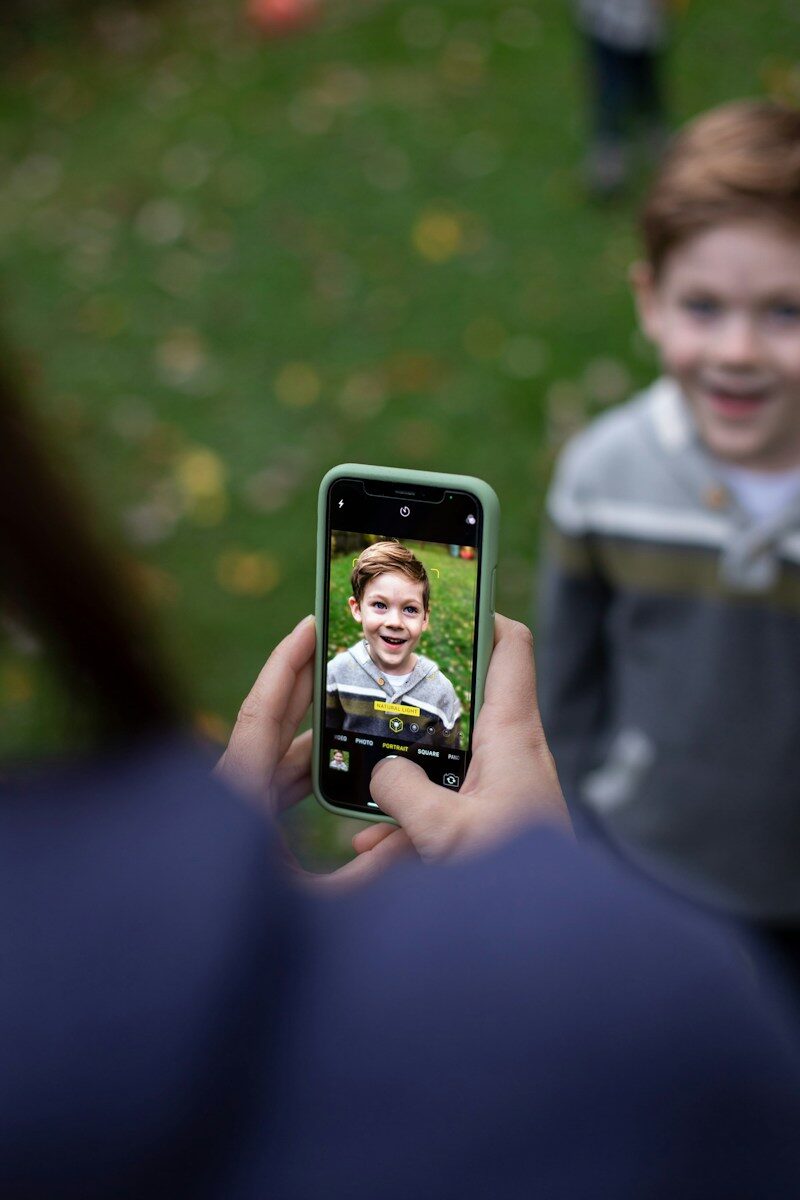
The photos are yours. The childhood is theirs.
By Dr. Rozita Wahab and Dr. Norsafatul Aznin A. Razak
Children are more visible in digital spaces today than ever before. Family photos and videos that once stayed within private albums are now shared publicly, and some children have become “kid influencers” with large followings and brand deals. This practice is known as ‘sharenting,’ a blend of ‘share’ and ‘parenting.’ It raises real questions about a child’s privacy, safety and long-term development.
A nationwide study conducted by a group of researchers at Universiti Malaya found the practice is genuinely widespread, with 62.2% of the 325 parents surveyed saying they actively share content about their children, most commonly everyday moments and daily activities, followed by academic achievements and milestones. Among the 395 adults surveyed, who are not yet parents themselves, 37.7% reported doing the same, most often sharing their siblings’ or family members’ daily activities or life achievements.
This is a sign that sharenting isn’t limited to parents alone, but is already a broader social habit. This study also found that ethical sharenting habits, such as asking a child’s permission first, were a stronger predictor of children’s wellbeing than parents’ general safety awareness. Here, we look more closely at what developmental psychology tells us about what sharenting does to a child, and what parents, caregivers, and adults can actually do about it.
What sharenting does to a child’s development
From a developmental psychology perspective, there are three classic theories that can help to explain why constant exposure in digital spaces can affect a child’s development and wellbeing.
According to Erik Erikson’s psychosocial theory, children build their sense of initiative and self-confidence from as early as preschool age, through free play and everyday routine. This foundation later supports the more mature identity they form in adolescence. If this early developmental process is frequently interrupted by the camera, the effects are not confined to childhood, they carry through into later stages of development.
Albert Bandura’s social learning theory suggests that children learn not just through instruction but by observing and imitating the adults and peers around them. If “performing for the camera” becomes a normal part of daily life, children, whose reasoning ability is still developing, may come to see sharing every inch of their lives online as ordinary rather than something worth questioning. This can shape how comfortable they are with digital exposure well into adolescence and early adulthood.
Under John Bowlby’s attachment theory, secure parent-child bonds are built through consistent, loving interactions kept away from an audience. When intimate moments are regularly shared for public viewing, that intimacy risks turning into performance, no longer a space that belongs solely to parent and child.
None of this means involving children in digital content is inherently wrong. But these theories are a reminder that behind every upload lies a developmental process still in motion, and that the balance between sharing and protecting needs constant attention.
The data bears this out. In the same survey, both parents and adults rated themselves highly on digital security awareness, knowing about privacy settings, risks and safe practices. Yet this awareness barely correlated with safer sharing behaviour in practice. Knowing the risks, in other words, is not the same as acting on them. That gap between knowledge and behaviour is exactly what the guidelines below are meant to close.
Responsible sharenting practices
For parents, guardians and other adults, a few simple guidelines can help keep sharing safe and ethical.
Ask first. Even if children are too young to provide full consent, adults can still check whether the child appears comfortable, and respect their “no.” Even in small ways, this acknowledges a child’s feelings and autonomy rather than treating them as someone with no say in the matter.
Protect their information. Details such as school uniforms, street signs, or recognisable locations can reveal where a child lives, studies, or spends time, so avoiding such disclosures reduces the risk of unintended exposure. Content filmed during private moments, such as bath time, pool time, or toilet training, is especially easy to misuse and should be avoided altogether. Setting social media accounts to private and periodically checking who can actually see what’s posted also helps, since protecting information alone isn’t enough if strangers can still access it.
Keep hard moments private. Tantrums, punishments, or personal struggles may be part of family life, but placing them in public view can affect how a child feels about themselves later on. Keeping these moments private respects their dignity.
Make space offline. Children should have plenty of unrecorded playtime where they can explore, imagine, and interact freely without the presence of an audience. Offline experiences give them room to develop independently of digital performance.
Talk about it. Adults can explain, in age-appropriate ways, what is happening when a video or photo is recorded, why it is being shared, and who might see it. This helps children gradually understand the difference between real life and online content, and clear guidance can support their ability to separate everyday experiences from digital performance, particularly while their reasoning skills are still developing.
Think ahead. Before posting content, parents and adults can ask themselves, “How will the child feel about this when they are older?” If the answer is uncertain, choosing to keep the content private may be the safer path.
Towards mindful sharing
Children are naturally creative and love to express themselves, and digital platforms give them a real outlet for that. However, adults carry the responsibility of making sure a child’s participation does not tip into overexposure or exploitation.
For Malaysian families, the question is not really whether children should appear in digital content, but how it is done. With care, ethics and responsibility. By keeping privacy, dignity and children’s rights front and centre, we can help ensure the digital world remains a safe space for them to grow up in, not a place where childhood itself gets lost.
The authors are Senior Lecturers at the Department of Educational Psychology and Counselling, Faculty of Education, Universiti Malaya.