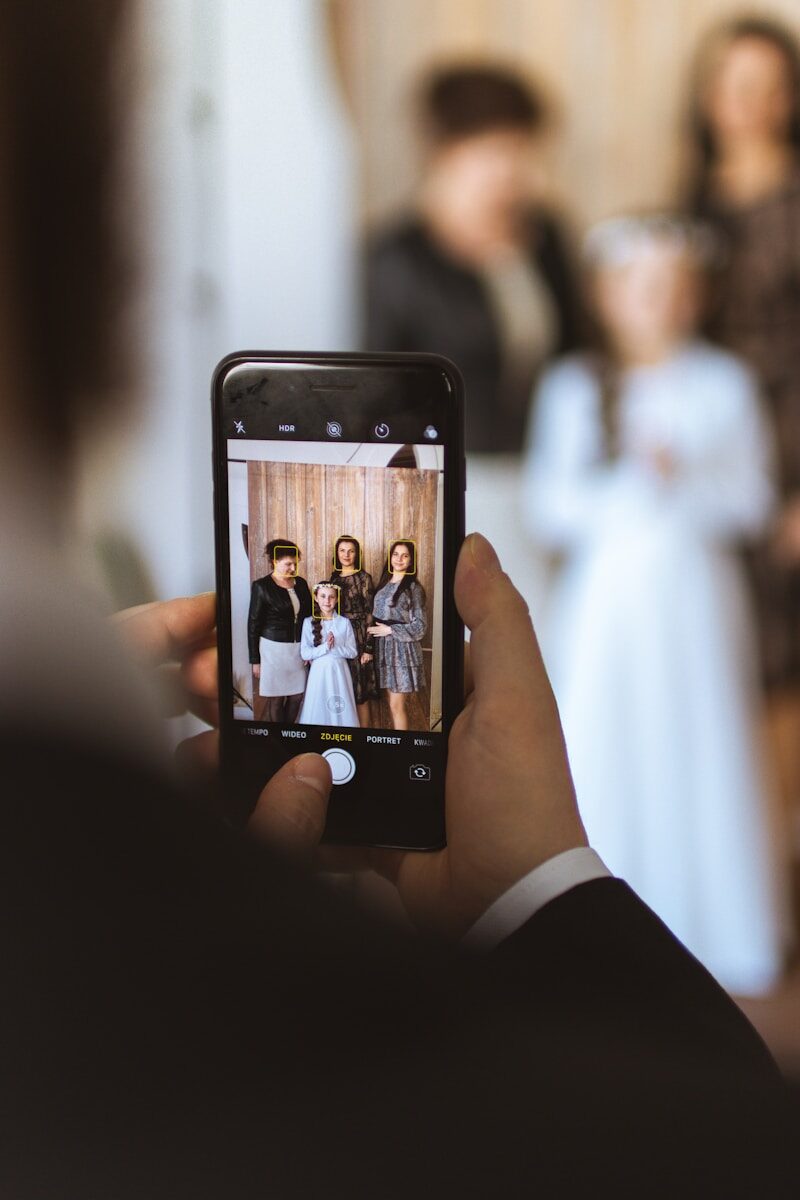
When childhood becomes content
By Dr. Rozita Wahab and Dr. Norsafatul Aznin A. Razak
Scroll through social media today and it is almost impossible to miss content featuring children. They are everywhere across Instagram, Threads, TikTok and Facebook: dancing to a trending song, unboxing a new toy, acting out a comedy skit, or simply going about their day with parents at home or a teacher in the classroom. This is not just a Malaysian phenomenon. Children are becoming increasingly visible in digital spaces the world over.
Family photos and videos once stayed within a private album. Today, they are shared with the world as entertainment. Some children have gone further still, becoming “kid influencers” with thousands, even millions, of followers. Many receive brand sponsorships and endorsement deals. Their images are no longer just family keepsakes, but commodities in social media’s attention economy.
This shift has opened up real opportunities for creativity and income, but it also raises hard questions: How does constant exposure affect a child’s privacy and development? What does it do to their sense of identity and self? And what are the long-term consequences of having one’s childhood put on public display from such a young age?
Family-oriented content is especially popular in Malaysia. Videos of children switching effortlessly between languages, helping around the house, or doing something endearingly funny tend to go viral. Audiences are drawn in because the content feels natural and culturally familiar. But alongside the appeal, concerns have grown too, particularly around oversharing, privacy, safety and the digital footprint children are left carrying.
This practice, known as “sharenting”, a blend term of “share” and “parenting”, refers to parents, caregivers, or adults regularly posting details, photos or videos of the children on social media. A nationwide study of 720 Malaysian parents and adults, conducted by a group of researchers at Universiti Malaya, found that many are doing this without even recognising the term for what it is: 47.4% of the parents surveyed had never heard of the word before taking part in the study, despite already practising it daily. More tellingly, the study found that ethical sharing habits, like asking a child’s permission first, avoiding sensitive content, and checking who could see each post, were the strongest predictor of how well-adjusted their children were reported to be, more so than parents’ general awareness of online safety and security. For now, Malaysia has no specific laws governing children’s participation in digital content, which means the decision to feature a child online rests entirely with parents and families.
Why children end up in online content
Children appear in digital content for many reasons, and the choice is not always theirs. Many parents and relatives want to capture everyday moments, join a viral challenge, or simply share an endearing moment as an expression of love. Social media has effectively replaced the family photo album. What was once private is now shared publicly, seen in Malaysia as a way of celebrating togetherness and family tradition. The intentions are usually good, but the effect is that children are increasingly exposed to audiences they, and often their parents, do not actually know.
Teachers, too, sometimes feature students in personal content that has nothing to do with schoolwork, blurring the line between their professional and personal roles. Children can also end up in other people’s content without realising it, caught in the background at a public event or a sports match, and some content creators deliberately film children’s faces and reactions because they know it draws views. All of this means a child can become “on display” online without their consent, or their parents’, at a time when awareness of digital privacy in Malaysia remains fairly low.
The same survey found a clear reason why this keeps happening. Among the parents surveyed, 63.1% said posts featuring their children attracted more engagement, likes, comments and shares, than their other posts. Among adults, who are not yet parents, 41.8% reported the same pattern. That extra attention is precisely what keeps the cycle going. The more a child’s photo is liked and shared, the stronger the pull to post the next one.
When privacy and safety are at stake
However light-hearted it may seem, sharing content involving children carries real risks. Privacy and safety sit at the top of the list. Once a photo or video is uploaded, it can be copied, redistributed and stay online indefinitely. Small details, a school uniform, a house in the background, can unintentionally reveal personal information. There have been cases overseas where children’s images were misappropriated on disreputable websites.
Then there is the digital footprint, the permanent record a child leaves behind online. Children who appear frequently in content may grow up with an identity partly shaped by decisions adults made before they were old enough to consent. What seems amusing at age three can become a source of embarrassment or discomfort in the teenage years or adulthood.
The emotional and psychological effects deserve equal attention. When children are regularly praised or criticised online, they may learn to measure their own worth by other people’s comments, which can affect self-esteem and mental wellbeing over time. Consent and autonomy matter here too. Children are not yet able to fully grasp what it means to appear online or how far that content can travel, which raises a genuine ethical question about how much adults should be deciding on a child’s behalf. There is also the commercialisation of childhood to consider. Some families turn a child into a source of income, featuring them repeatedly for promotional purposes. Without clear legal protections, these children can face pressures similar to those of a child actor, without any of the same safeguards.
These risks raise an obvious follow-up question, “What does developmental psychology tell us about what sharenting does to a child, and what can parents do about it?”.
The authors are Senior Lecturers at the Department of Educational Psychology and Counselling, Faculty of Education, Universiti Malaya.